
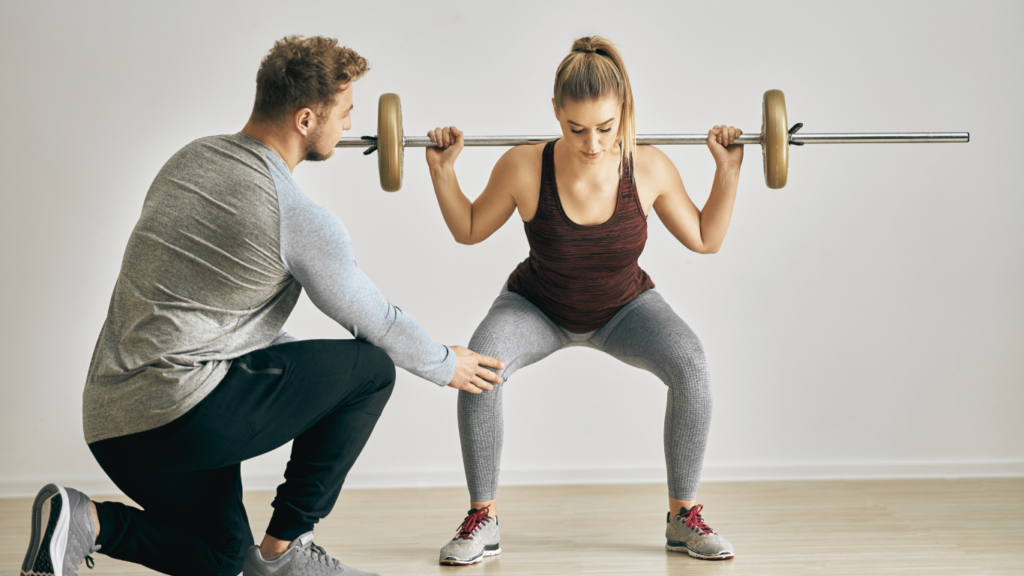
If there’s one exercise that deserves a permanent spot in your training routine, it’s the squat. Simple, effective, and endlessly adaptable, the squat strengthens your lower body, boosts mobility, and helps you move better in everyday life. Whether you’re working toward your first proper squat or aiming to lift heavier with confidence, learning how to squat well is one of the best investments you can make in your fitness journey.
This guide breaks down everything you need to know — from technique to variations to the small tweaks that make a big difference. Let’s get into it.
Why the Squat Matters
The squat is a compound movement, meaning it works multiple muscle groups at once. This makes it incredibly efficient for building strength, improving stability, and supporting fat loss.
Here’s what makes squats so powerful:
- Full-body activation: Quads, hamstrings, glutes, core — they all work together to achieve this power move.
- Better everyday movement: Squats train the same patterns you use to sit, stand, lift, and climb stairs.
- Improved mobility: Squatting regularly helps keep your hips, knees, and ankles moving well.
- Stronger posture: Your core works hard to keep you upright.
- Metabolic benefits: Squatting works the body’s largest muscle group, this means you burn more energy throughout and after your workout.
Mastering the squat sets the tone for everything else you do in your training program — strength, stability, and balance all start here.
Understanding Proper Squat Technique
Good technique isn’t about making your squat look “perfect”; it’s about making it safe, efficient, and effective for your body. Here’s how to build a solid foundation.
1 . Foot Position & Setup
Everyone’s ideal stance varies slightly, but here’s a reliable starting point:
- Stand with your feet hip- to shoulder-width apart
- Turn your toes out slightly
- Keep your weight evenly distributed through your whole foot
- Take a breath in, brace your core, and keep your chest lifted
These small setup cues help you stay balanced and supported throughout the movement.
2 . Lowering into Your Squat
This is where control matters most.
- Push your hips back slightly as your knees bend
- Keep your chest open and your spine neutral
- Allow your knees to follow the direction of your toes
- Lower to a depth that feels strong and stable — not forced
Everyone’s depth is different depending on mobility and comfort, and that’s completely normal.
3 . Standing Back Up
Think about driving the floor away from you.
- Push through your heels or mid-foot, not your toes
- Keep your core switched on
- Stay tall through your chest — avoid folding forward
- Finish the rep by standing strong and controlled
Smooth, steady movement will always deliver better results than rushing the rep.
Common Squat Mistakes (and Their Fixes)
If squats feel awkward or uncomfortable, you’re not alone. Most issues come down to a few common mistakes — and they’re all fixable.
1 . Knees Dropping Inward
This often happens when the glutes aren’t supporting the movement properly.
Fix: Think “knees out” as you squat and add glute activation drills to your warm-up.
2 . Heels Lifting Off the Floor
Usually a sign of tight ankles or leaning too far forward.
Fix: Work on ankle mobility and focus on keeping your weight through the middle of your foot.
3 . Rounding Through the Lower Back
This happens when you lose tension in your core.
Fix: Reduce your depth slightly and practise bracing before each rep.
4 . Not Squatting Deep Enough or Going Too Low
Both can reduce the effectiveness of your squat.
Fix: Aim for a depth where your hips and knees feel aligned, controlled, and stable.
5 . Adding Weight Too Soon
Technique should always come before load.
Fix: Start light, master the movement, and increase weight gradually.
Squat Variations for Every Fitness Level
One of the best things about squats? There’s a variation to suit every goal and experience level. Here’s how each one works — and why it matters.
Beginner-Friendly Variations
Bodyweight Squat
Perfect for learning the movement pattern. Focus on control, balance, and posture without the challenge of extra weight. Great for building confidence before progressing.
Box Squat
Using a box or bench helps you feel where your depth should be. It encourages proper hip movement and teaches you to sit back safely while keeping your torso upright.
Goblet Squat
Holding a dumbbell or kettlebell in front of your chest shifts your centre of gravity slightly, making it easier to keep your chest lifted. This variation also builds core strength and teaches you how to stay balanced.
Intermediate Variations
Back Squat
With the bar positioned across your upper back, this variation challenges your posterior chain (glutes, hamstrings, and lower back). It’s a staple for building strength and progressing toward heavier lifts.
Front Squat
Holding the bar at the front of your shoulders forces your core to work harder and encourages a more upright position. It’s great for improving quad strength and posture under load.
Split Squats
A single-leg variation that highlights imbalances, improves hip stability, and builds unilateral strength. It’s especially useful for runners or anyone wanting better balance and knee stability.
Advanced Progressions
Bulgarian Split Squat
Elevating your back leg increases the range of motion and intensity. This variation builds incredible glute strength, stability, and control, and exposes any left/right imbalances.
Zercher Squat
The bar is held in the crook of your elbows, shifting the weight forward. This demands strong core engagement and reinforces good posture. It’s also a great option for people who struggle with traditional bar placements.
Tempo or Pause Squats
Slowing down your squat (3–5 seconds) or pausing at the bottom increases time under tension — perfect for building strength, control, and muscle awareness. These variations help break sticking points and improve technique.
Tips for Improving Your Squat Over Time
Progress takes patience, but small improvements each week lead to big results over time.
1 . Include Mobility Work
A few minutes to warm up your hips, ankles, and upper back goes a long way.
2 . Warm Up Properly
Use dynamic stretches and activation exercises to prepare your body for loading.
3 . Track Your Training
Monitor your reps, sets, weight, and how the movement feels. Even small notes help you see patterns and progress.
4 . Use Progressive Overload
Increase one training variable at a time — weight, reps, tempo, or range of motion.
5 . Focus on Consistency
Doing your squats regularly is far more important than doing them “perfectly.”
Building strength takes time, so give yourself permission to learn the movement properly — mastery always beats rushing ahead. Stay curious about how your body feels each session; the more aware you become, the easier it is to make improvements.
Once you start improving your squat, everything else gets better — your strength, energy levels, confidence, and daily movement patterns. And with structured guidance, it becomes even easier. That’s why the squat features heavily in our training programs: it builds real, sustainable progress from the ground up.
Squatting isn’t just about lifting weight — it’s about understanding how your body moves and getting stronger in the process. Whether you’re brand new or looking to refine your technique, applying these tips will help you squat with more confidence, control, and consistency.
If you’re ready to take the next step, explore our fitness programs for guided squat progressions, structured workouts, and expert support. Stronger legs, stronger body, stronger you